Back to blog
18 May 2026Liz
Creatine for women: the supplement you've probably been sleeping on
It's not just for bodybuilders. Here's why creatine might be the most underrated tool in a woman's health and fitness toolkit - at every age.
It's not just for bodybuilders. Here's why creatine might be the most underrated tool in a woman's health and fitness toolkit - at every age.
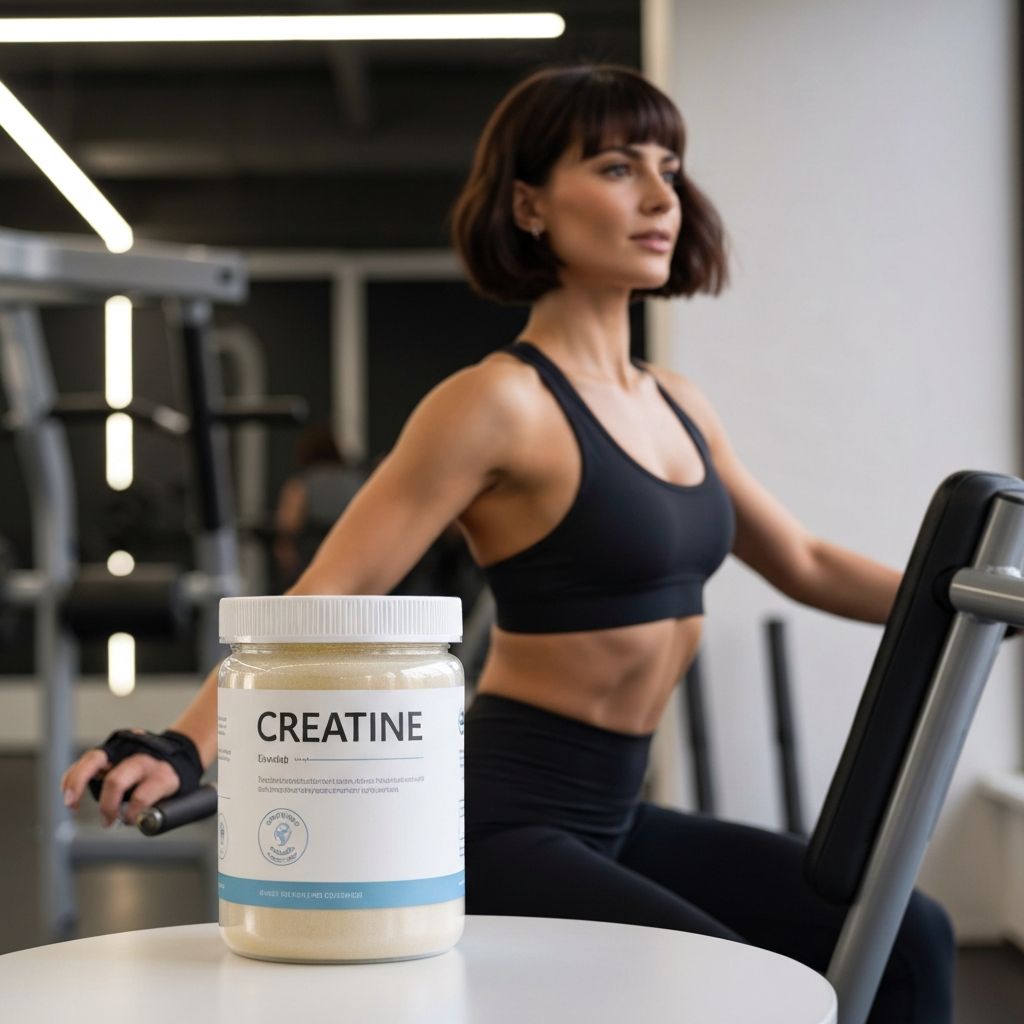
When most women hear "creatine" they picture gym bros with protein shakers. Let me stop you right there. Creatine is one of the most researched supplements in the world, and the evidence for women is compelling - and growing. This is what I wish every woman I train knew from day one.
Creatine is a naturally occurring compound your body makes from amino acids - and you get small amounts from meat and fish. It's stored in your muscles and used to rapidly regenerate ATP, your body's primary energy currency. When you run out of readily available ATP (usually within seconds of explosive effort), performance drops. Creatine supplementation tops up those stores so you can work harder, recover faster, and build strength more effectively.
The key thing to understand? Women start with approximately 70-80% lower natural creatine stores than men. Which means, proportionally, we have the most to gain from supplementing it.
The basics: 3-5g of creatine monohydrate per day is the gold standard dose - no loading phase needed. Take it with food or post-workout. Consistency matters more than timing.
Creatine isn't a one-size-fits-all supplement - its benefits shift and evolve depending on where you are hormonally and physically.
Your 20s and early 30s - This is prime time for building strength, power, and lean muscle mass. Creatine supports all of this directly.
Perimenopause (40-50) - This is where creatine becomes close to non-negotiable. As oestrogen declines, muscle mass drops faster, brain fog increases, and sleep quality deteriorates. Creatine has evidence supporting all of these areas.
Post-menopause (50+) - Creatine, combined with resistance training, is one of the most evidence-backed strategies for preserving muscle mass and supporting bone density.
Your brain uses creatine as an energy source, and sleep debt rapidly depletes it. One study found that creatine supplementation significantly reduced the cognitive impairment caused by 24 hours of sleep deprivation. For anyone managing early starts, long working days, or the relentless disruption of parenting young children - this is meaningful.
Enjoyed this article?
Work with Liz