Fitness & Wellbeing Blog for Women Over 40 — LMFIT London — Female Personal Trainer London — Empowering Women Over 40

Expert advice on training, nutrition, and wellness from 20+ years of experience.
How to Fix Back Pain From Desk Work
19 May 2026Liz

How to Fix Back Pain From Desk Work

Spending hours at a desk can wreak havoc on your back. Here's how to identify the causes of desk-related back pain and practical solutions to fix it.

If you spend long hours sitting at a desk, you're likely familiar with that nagging ache in your lower back or the tension that builds up between your shoulder blades. Desk work is one of the most common causes of back pain, but the good news is that it's also one of the most fixable. In this article, I cover practical strategies to address desk-related back pain, including posture corrections, movement breaks, and targeted exercises that can make a real difference. Whether you work from home or in an office, these tips will help you feel better and move more freely. Read the full article on Substack for detailed guidance on fixing your back pain from desk work.
Returning To Fitness After 40: What Really Works
19 May 2026Liz

Returning To Fitness After 40: What Really Works

After two decades of coaching women through the false starts, setbacks, and eventual breakthroughs - here's what I know actually works for getting back into fitness in your forties.

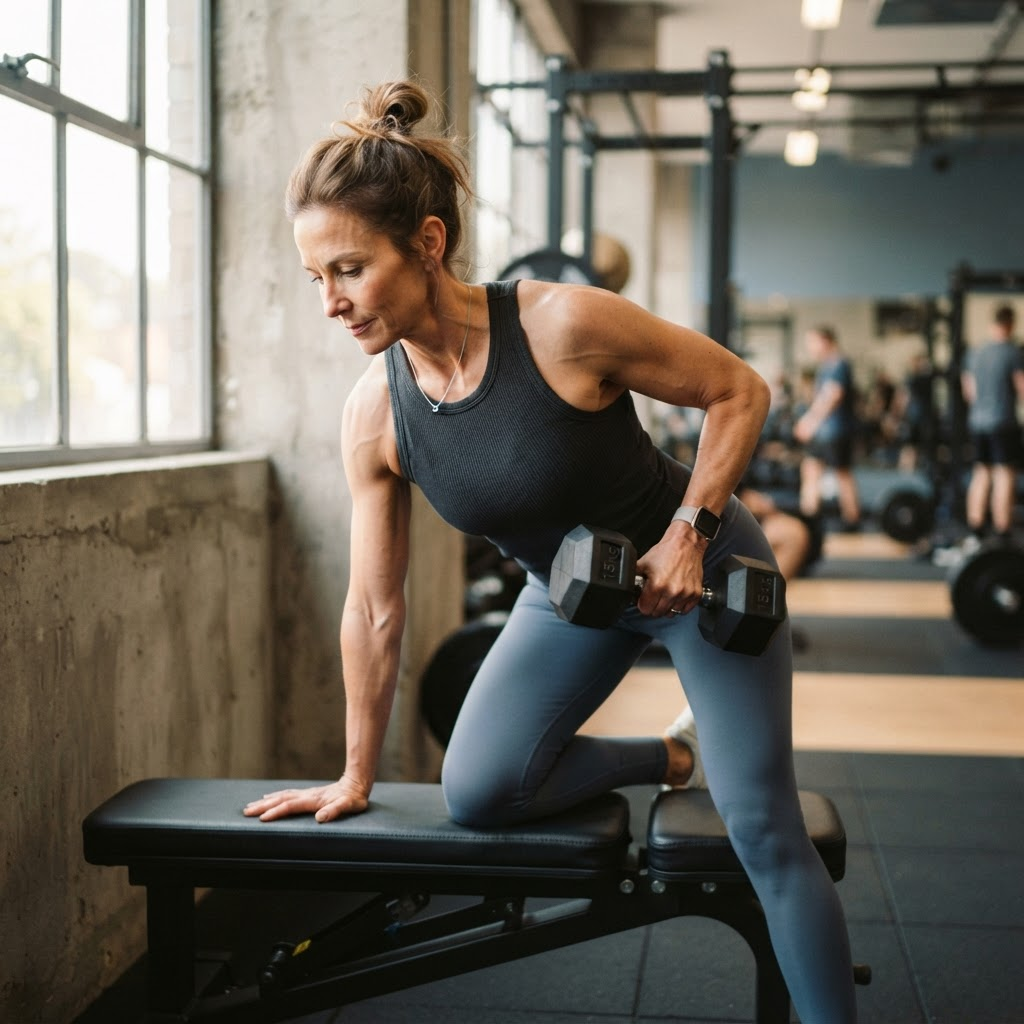
There's a particular kind of motivation that arrives in your forties - usually from the realisation that our bodies and lifestyles have not been serving us well for the most recent chapter. **1. Ditch the "all or nothing" approach** - Your first two to four weeks should feel almost embarrassingly manageable. The goal in the early weeks isn't fitness - it's building the habit infrastructure that fitness will later sit on. **2. Strength training is non-negotiable** - Muscle mass declines from your mid-thirties onwards, and resistance training is the most effective tool to counter that. It's about metabolism, bone density, joint stability, and functional strength. **3. Recovery is part of your training** - Sleep, protein intake (1.6-2g per kg bodyweight), rest days, and managing stress are all essential components, not luxuries. **4. Posture and mobility are foundations** - Ten minutes of mobility work before a session changes everything and reduces the risk of injuries that derail progress. **5. Consistency beats intensity** - A moderately challenging workout done three times a week for six months will transform you. An intense programme done for three weeks and abandoned will not. **6. Find something you don't hate** - The best programme is the one you'll actually do. Enjoyment drives consistency. **7. Track progress beyond the scales** - Energy levels, strength benchmarks, how clothes fit, and mood are often better measures than weight alone.
Creatine for women: the supplement you've probably been sleeping on
18 May 2026Liz

Creatine for women: the supplement you've probably been sleeping on

It's not just for bodybuilders. Here's why creatine might be the most underrated tool in a woman's health and fitness toolkit - at every age.

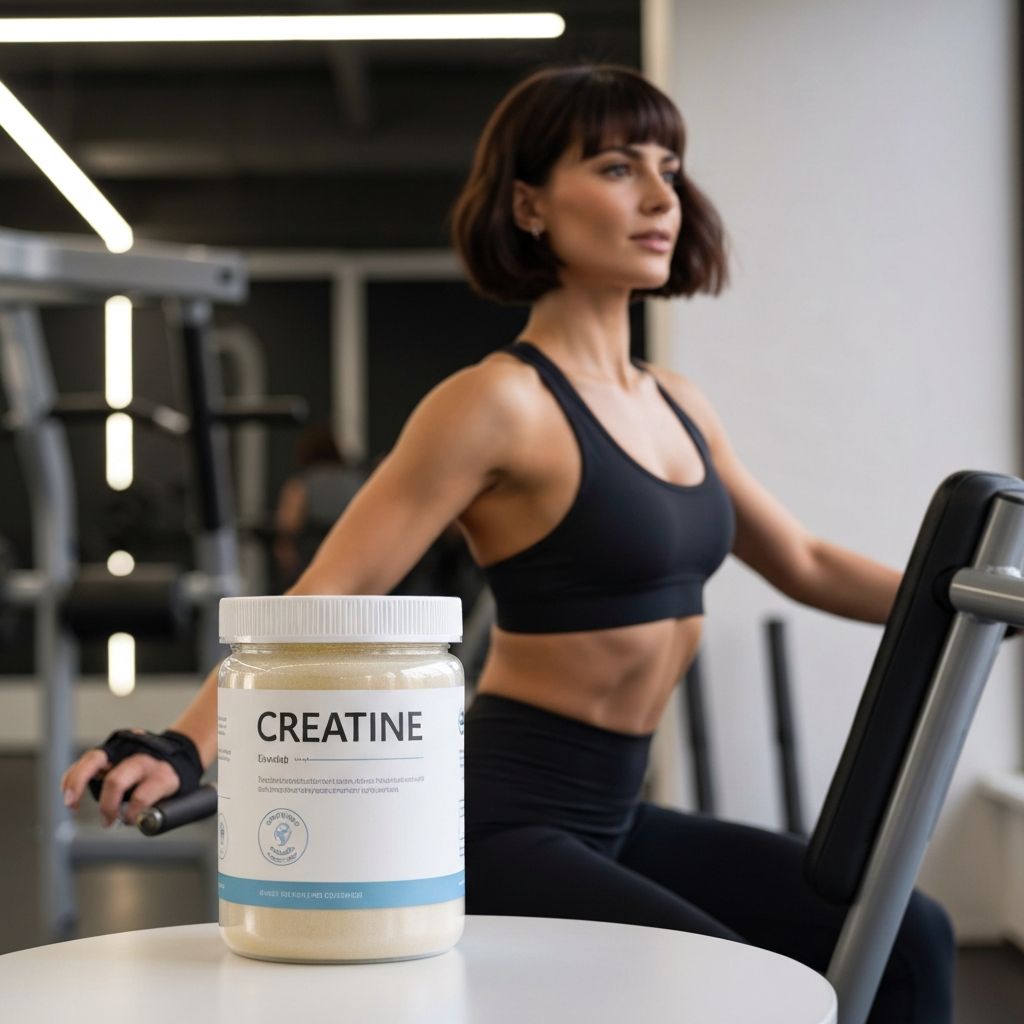
When most women hear "creatine" they picture gym bros with protein shakers. Let me stop you right there. Creatine is one of the most researched supplements in the world, and the evidence for women is compelling - and growing. This is what I wish every woman I train knew from day one. Creatine is a naturally occurring compound your body makes from amino acids - and you get small amounts from meat and fish. It's stored in your muscles and used to rapidly regenerate ATP, your body's primary energy currency. When you run out of readily available ATP (usually within seconds of explosive effort), performance drops. Creatine supplementation tops up those stores so you can work harder, recover faster, and build strength more effectively. The key thing to understand? Women start with approximately 70-80% lower natural creatine stores than men. Which means, proportionally, we have the most to gain from supplementing it. The basics: 3-5g of creatine monohydrate per day is the gold standard dose - no loading phase needed. Take it with food or post-workout. Consistency matters more than timing. Creatine isn't a one-size-fits-all supplement - its benefits shift and evolve depending on where you are hormonally and physically. **Your 20s and early 30s** - This is prime time for building strength, power, and lean muscle mass. Creatine supports all of this directly. **Perimenopause (40-50)** - This is where creatine becomes close to non-negotiable. As oestrogen declines, muscle mass drops faster, brain fog increases, and sleep quality deteriorates. Creatine has evidence supporting all of these areas. **Post-menopause (50+)** - Creatine, combined with resistance training, is one of the most evidence-backed strategies for preserving muscle mass and supporting bone density.
Sleep, stress and why your workout isn't working
12 May 2026Liz

Sleep, stress and why your workout isn't working

The overlooked reason many women plateau - and how to fix it without changing your programme.

You're showing up. You're doing the sessions. You're eating reasonably well. And yet the results have stalled - the energy isn't there, the body composition isn't shifting, and the motivation that used to come so easily feels like it's running on fumes. If this sounds familiar, here's the thing nobody has probably told you: it might have nothing to do with your programme. In over two decades of coaching women - from new mums returning to fitness, to busy professionals, to athletes in serious training - the single most common reason I see people plateau has nothing to do with exercise selection, rep ranges, or macros. It comes down to two things: sleep and stress. When you're under chronic stress - the relentless low-grade kind that modern life specialises in - your body produces elevated levels of cortisol. Cortisol isn't inherently bad. In short bursts, it's brilliant: it sharpens focus, mobilises energy, helps you perform. But when it stays high day after day, it starts working directly against your fitness goals. High cortisol promotes fat retention, especially around the abdomen. It's catabolic, meaning it breaks down muscle rather than building it. It disrupts deep sleep, preventing the hormonal reset your body needs overnight. Sleep is when the real work happens. Growth hormone - which drives fat metabolism and muscle repair - is primarily secreted during deep sleep. Poor sleep doesn't just leave you tired. It actively undermines every adaptation you're trying to create in training. A client who trains four times a week but sleeps poorly will nearly always get worse results than one who trains three times a week and sleeps well. Sleep is not a luxury add-on to your fitness programme. It is part of your programme. If your training is consistent but your results aren't following, resist the urge to immediately overhaul your programme. Before you add sessions, change your split, or cut more calories, audit your sleep and your stress. Because the most perfectly designed training plan in the world cannot outperform a chronically stressed, under-recovered nervous system.
Why Most Women Are Under-Eating Protein
12 May 2026Liz

Why Most Women Are Under-Eating Protein

The one nutrition change that makes the biggest difference, explained simply.

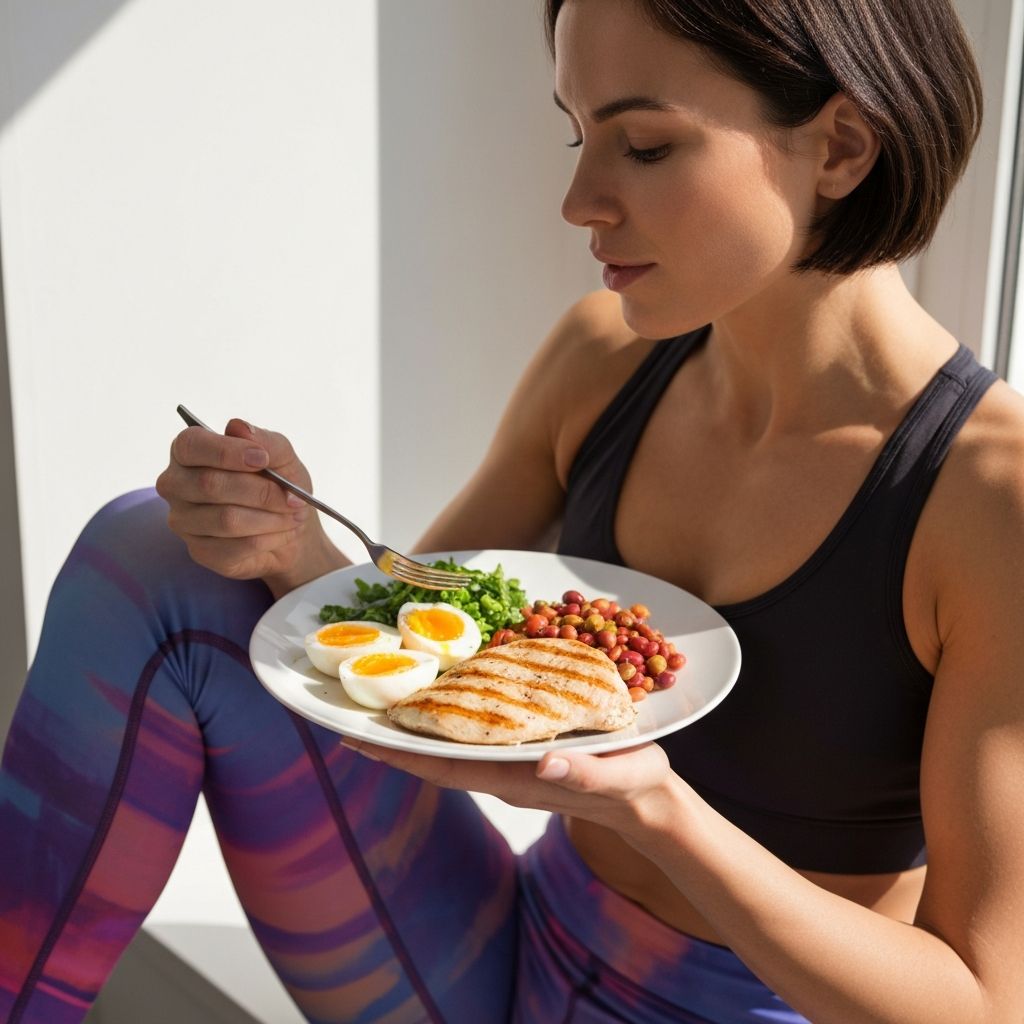
Diet culture praises salads, smoothies & "lightness." These are often low in protein — great for vitamins, less great for muscle. Marketing pushes steaks and protein shakes at men. Women get yoghurt ads. The bias is real — and it's in our heads too. Women are often encouraged to eat less overall. Less food = less of everything, especially protein-dense items. The old 0.8g per kg RDA was a bare minimum not to waste away — not an optimal target for active / perimenopausal women at all. --- From our 30s, women lose muscle mass faster than men. Protein slows that — critical for perimenopause and beyond. Muscle burns more calories at rest. More protein = more muscle retained = easier weight management long-term. Amino acids are the building blocks of hormones and neurotransmitters. Low protein can mean low mood, poor sleep, energy crashes.
Welcome to the LMFIT Blog
10 May 2026Liz

Welcome to the LMFIT Blog

Introducing the LMFIT blog - your source for expert fitness tips, training advice, and wellness insights from a London-based personal trainer with over 20 years of experience.

Welcome to the LMFIT blog! I'm thrilled to have you here. After 20+ years of helping clients transform their health and fitness, I've decided to share my knowledge more widely through this blog. Whether you're a busy professional, a new mum, or someone looking to get stronger and feel more confident, you'll find practical advice here. I'll be covering topics including: - **Strength training tips** - especially for women over 35 - **Pre and postnatal fitness** - safe, effective training during and after pregnancy - **Desk-based wellness** - posture fixes and exercises for office workers - **Nutrition guidance** - practical eating advice that fits real life - **Mindset and motivation** - because fitness is as much mental as physical

Ready to get started?

Book a free consultation to discuss your goals and how I can help.

Book a free consultation