Back to blog
12 May 2026Liz
Why Most Women Are Under-Eating Protein
The one nutrition change that makes the biggest difference, explained simply.
The one nutrition change that makes the biggest difference, explained simply.
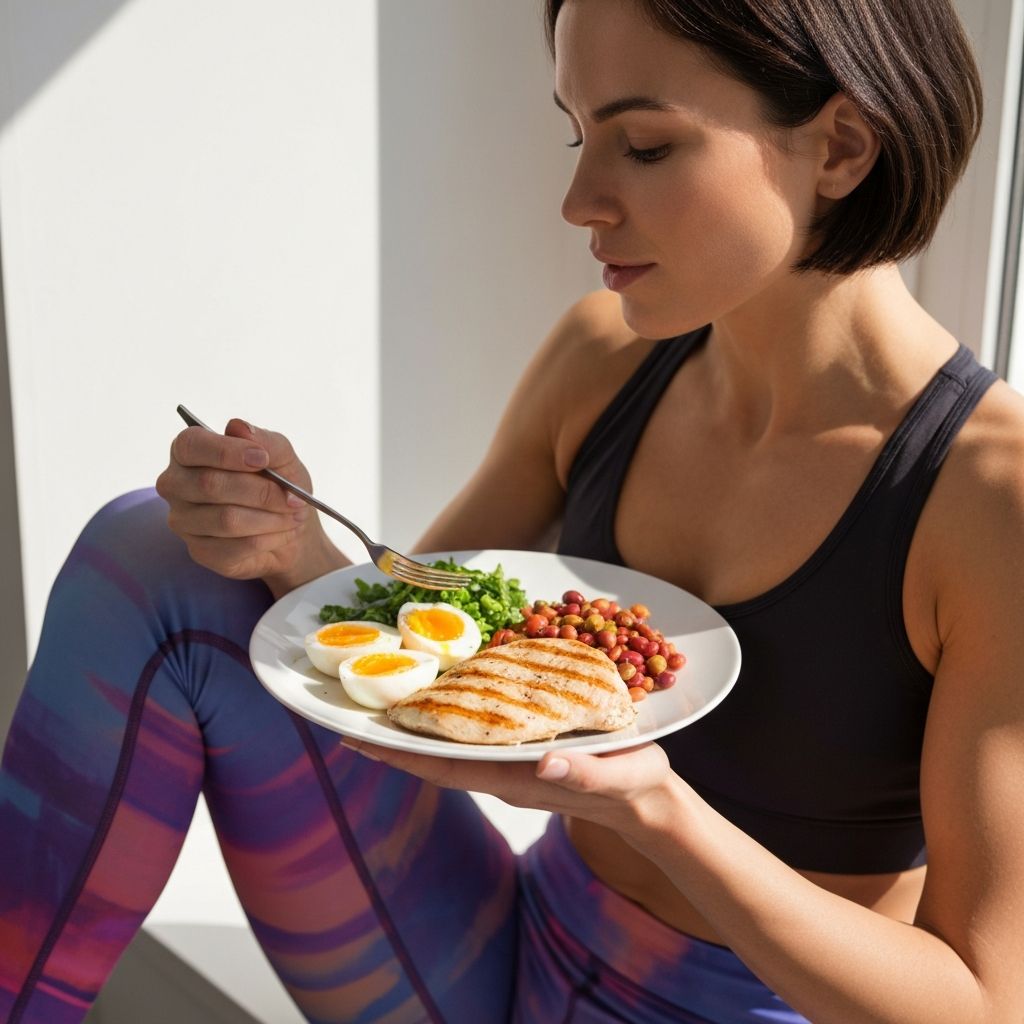
Diet culture praises salads, smoothies & "lightness." These are often low in protein — great for vitamins, less great for muscle.
Marketing pushes steaks and protein shakes at men. Women get yoghurt ads. The bias is real — and it's in our heads too.
Women are often encouraged to eat less overall. Less food = less of everything, especially protein-dense items.
The old 0.8g per kg RDA was a bare minimum not to waste away — not an optimal target for active / perimenopausal women at all.
From our 30s, women lose muscle mass faster than men. Protein slows that — critical for perimenopause and beyond.
Muscle burns more calories at rest. More protein = more muscle retained = easier weight management long-term.
Amino acids are the building blocks of hormones and neurotransmitters. Low protein can mean low mood, poor sleep, energy crashes.
Protein is the most satiating macronutrient. Eating enough means fewer cravings, less snacking, more energy between meals.
Every time you exercise, you create micro-tears in muscle. Protein repairs them. Without it, you're just breaking yourself down.
The vegan note — tofu, tempeh, seitan, and edamame are your MVPs. They punch well above their weight. And soya protein (tofu, edamame, soy milk) is actually a complete protein all by itself, which is a nice bonus.
The "I don't have time" fix — batch cook a big pot of lentils or chickpeas on a Sunday and the protein problem basically solves itself for the week. Add them to literally anything.
Perimenopause and beyond — this is where protein becomes genuinely non-negotiable. Oestrogen dropping + muscle loss + bone density changes all at once. Protein is one of the most powerful dietary tools for managing that whole transition.
1.6–2g of protein per kg of bodyweight per day for active women
For a 65kg woman, that's roughly 104–130g of protein per day. Spread across 3–4 meals, that's about 30g per meal — totally doable.
| Food | Protein | |------|---------| | Chicken breast (100g) | 31g | | Salmon (100g) | 25g | | Tuna (1 tin) | 27g | | Greek yoghurt (200g) | 20g | | Eggs (2 large) | 13g | | Cottage cheese (100g) | 11g |
| Food | Protein | |------|---------| | Seitan (100g) | 25g | | Tempeh (100g) | 19g | | Tofu (100g) | 17g | | Edamame (100g) | 11g | | Lentils, cooked (100g) | 9g | | Black beans (100g) | 8g |
Most plant proteins lack one or more essential amino acids. Pair them together (same day is fine — not even the same meal!) for a complete protein profile.
Ask yourself "where's my protein?" at every meal. Aim for a palm-sized portion of protein each time you eat. That one habit alone — consistently — will change everything.
Enjoyed this article?
Work with Liz